Modern high-rise properties require dependable access equipment for cleaning, inspection, repair, and facade maintenance. As buildings become taller and architectural designs become more complex, maintenance teams need controlled ways to reach exterior surfaces safely and efficiently.
A building maintenance unit (BMU) Singapore solution provides dedicated access for many high-rise maintenance tasks. A properly planned BMU system can support facade cleaning, glass replacement, structural inspections, exterior repairs, and other maintenance activities that require workers to operate above ground level.
For building owners, facility managers, developers, and maintenance contractors, selecting suitable high-rise access equipment requires careful attention to building design, working requirements, safety provisions, engineering quality, and long-term servicing.
Groxx Gears provides high-rise safety equipment and building maintenance solutions for demanding construction and maintenance environments. Its range covers fall protection systems, high-rise safety gear, building maintenance systems, rigging equipment, and other industrial solutions designed around demanding operating conditions.
What Is a Building Maintenance Unit (BMU)?
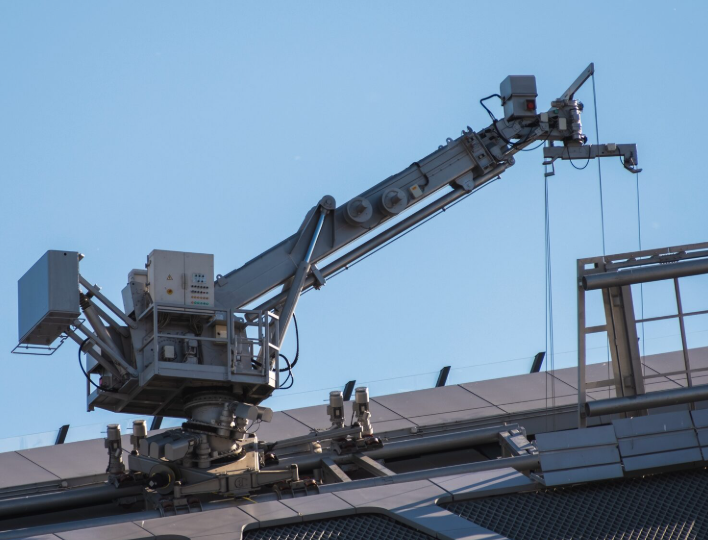
A building maintenance unit is a permanent or dedicated mechanical access system designed to help maintenance personnel reach exterior sections of a high-rise building. Depending on the building design, a BMU may operate from the roof or another designated structural location and support a suspended platform or similar access arrangement.
A building maintenance unit (BMU) Singapore system can provide controlled access across different sections of a facade. This makes it suitable for recurring maintenance work where personnel need to reach elevated windows, cladding, curtain walls, architectural features, and other exterior surfaces.
A typical BMU system may include:
- Roof-level support structures
- Travelling mechanisms
- Hoists
- Wire ropes
- Suspended platforms or gondolas
- Controls
- Attachment and anchoring arrangements
- Safety devices
- Emergency systems
- Structural interfaces
The exact configuration depends on the building’s architecture, facade design, roof layout, working height, access zones, operational requirements, and engineering assessment.
Rather than treating high-rise access as a temporary requirement, a BMU can form part of a building’s long-term maintenance strategy.
Why Building Maintenance Units Matter for Singapore High-Rise Properties
Singapore has many high-rise commercial, residential, hospitality, and mixed-use developments. Exterior surfaces may include glass curtain walls, windows, metal panels, concrete surfaces, architectural screens, and other facade materials.
These surfaces require regular attention. Dust, rain, humidity, pollution, and general exposure can affect exterior appearance and maintenance requirements. Building owners also need access for inspections, repairs, glass replacement, and other work.
A building maintenance unit (BMU) Singapore system gives maintenance teams a dedicated method for reaching elevated facade areas.
Without suitable access equipment, some tasks may require temporary access arrangements, additional site preparation, or specialized work methods. A purpose-designed BMU can provide a more permanent access solution for buildings that require frequent facade maintenance.
Supporting Safer Facade Maintenance
Working at height requires careful planning. Workers need suitable access, stable positioning, appropriate fall protection, and equipment suited to the building and task.
A BMU does not replace a complete fall protection strategy. Instead, it can form part of a broader safety system that includes suitable anchorage, fall arrest equipment, lifelines, operating procedures, inspections, and worker training.
Groxx Gears also supplies fall protection systems, including horizontal and vertical lifeline solutions. This allows building access requirements to be considered alongside wider worker protection needs.
Improving Access for Routine Maintenance
High-rise maintenance can involve repeated work across large facade areas. A dedicated building maintenance unit (BMU) Singapore solution can provide a structured access method for recurring activities such as window cleaning, facade inspection, and selected repair work.
The right system can help maintenance teams reach designated areas without depending solely on temporary access equipment.
How Does a Building Maintenance Unit Work?
A BMU generally operates from a designated roof-level or structural support arrangement. Depending on its design, the unit can travel or position itself to provide access across different sections of the facade.
A suspended platform may carry workers while the lifting system controls vertical movement. Travelling equipment can allow horizontal positioning where the system has been designed for such movement.
A simplified operating sequence may involve:
- Positioning the BMU according to the building’s operating requirements.
- Conducting required pre-use checks.
- Connecting or preparing the suspended access equipment.
- Confirming safety systems and operating controls.
- Moving the platform to the required facade location.
- Carrying out the planned maintenance task.
- Returning the equipment to its designated position after work.
- Completing post-use checks and required documentation.
Actual procedures must follow the equipment manufacturer’s instructions, site requirements, applicable regulations, and approved operating procedures.
Key BMU Components
A building maintenance unit (BMU) Singapore system can contain several mechanical and structural components working together.
Roof-level support structure: Provides the structural base required for the BMU arrangement.
Travelling mechanism: Allows suitable horizontal positioning where the system has been designed for such movement.
Hoist system: Controls vertical movement of the suspended platform.
Suspended platform: Provides a working area for authorized maintenance personnel.
Wire ropes: Support and move the platform according to the system’s design.
Controls: Allow operators to manage system movement.
Safety devices: Provide additional protection against selected operating hazards.
Emergency systems: Support controlled response during abnormal operating situations.
Every component needs suitable engineering, installation, inspection, and maintenance.
Common Applications of BMU Systems
A building maintenance unit (BMU) Singapore system can support multiple exterior building maintenance activities.
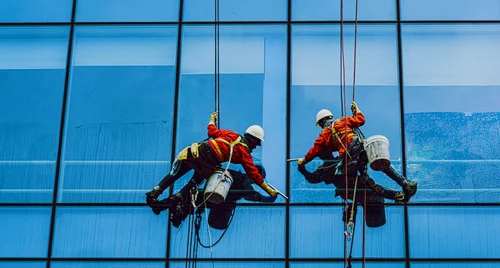
Facade Cleaning
Regular facade cleaning helps maintain a property’s appearance while allowing maintenance teams to access elevated surfaces.
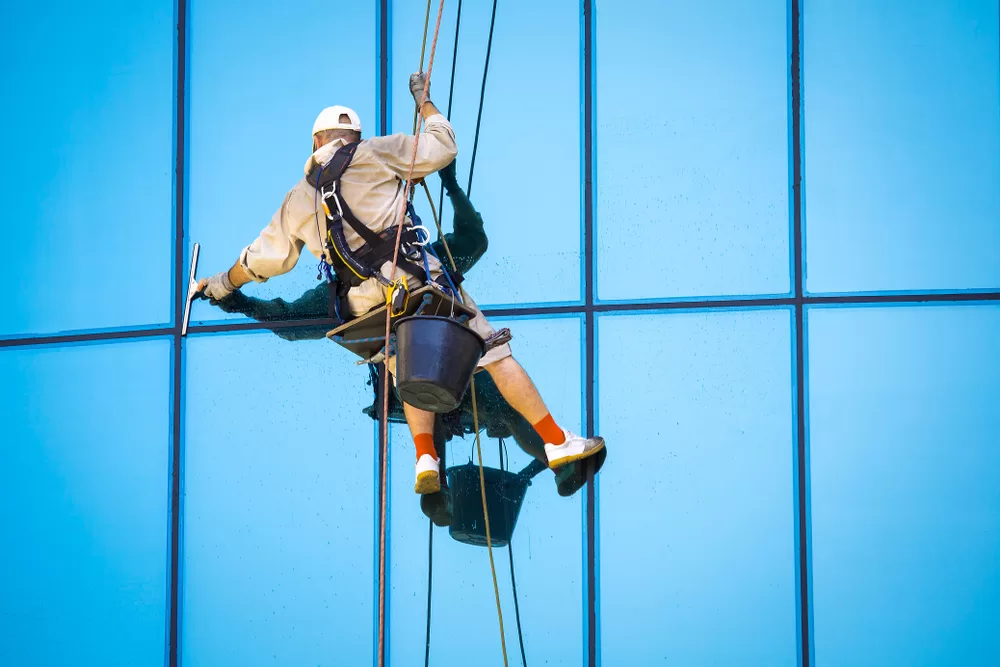
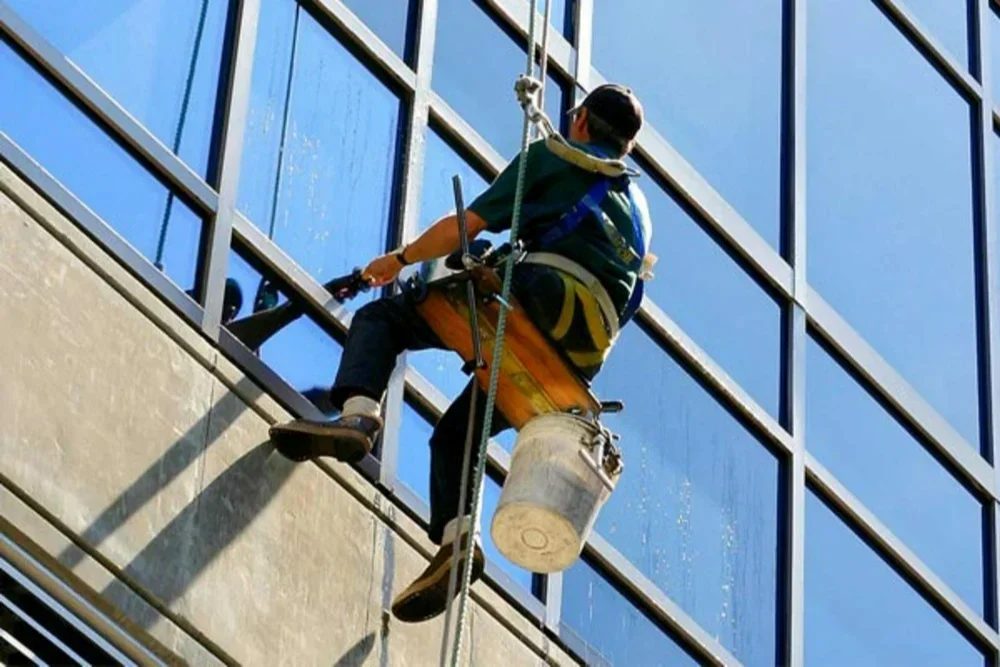
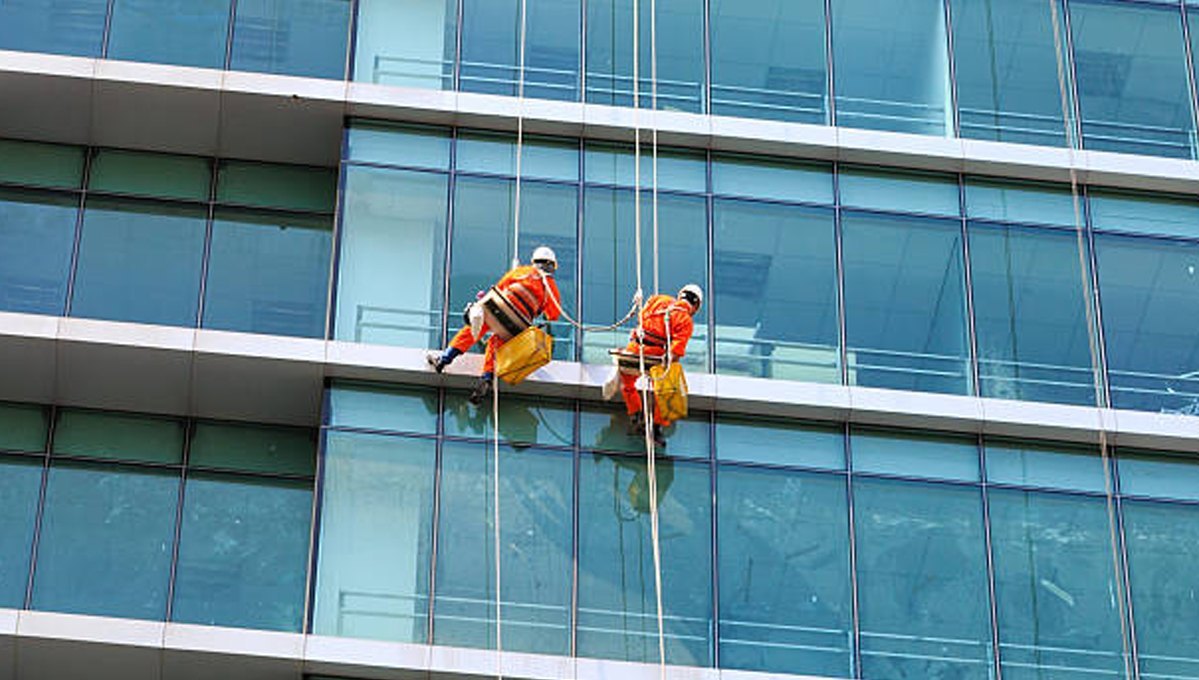
BMU-supported access can help workers reach windows, glass curtain walls, cladding, and other exterior areas. Suspended access can be particularly useful for buildings where large facade sections cannot be reached conveniently from ground level.
Glass Replacement and Exterior Repairs
Glass replacement and facade repairs require controlled access to elevated work areas. A suitable BMU can provide a working platform for authorized personnel carrying out selected maintenance activities.
The system must match the task, building structure, working load, access requirements, and equipment requirements.
Structural Inspection
High-rise facade inspections can require close access to exterior surfaces. Inspection teams may need to examine visible cracks, damaged finishes, glazing components, joints, cladding, or other facade features.
A building maintenance unit (BMU) Singapore solution can provide access to areas that may otherwise be difficult to reach.
Building Refurbishment
Exterior refurbishment projects may involve cleaning, repair, replacement, coating, inspection, or other facade-related activities. A BMU can support selected work where the system has been designed and approved for the required application.
Early access planning can help building owners and project teams account for maintenance requirements during design and renovation projects.
BMU vs Other High-Rise Access Methods
Different buildings require different access solutions. A BMU is not automatically the right choice for every project.
| Access Method | Typical Application | Main Consideration |
|---|---|---|
| BMU | Recurring high-rise facade maintenance | Permanent or dedicated building access |
| Suspended scaffold | Maintenance and selected construction work | Setup, installation, and site requirements |
| Mobile Elevated Work Platform | Selected areas with suitable ground access | Ground conditions and working reach |
| Rope access | Specialized inspection and maintenance | Trained personnel and suitable anchor systems |
| Temporary platform | Short-duration access requirements | Project-specific installation and planning |
Building height, facade geometry, roof configuration, access frequency, ground conditions, working loads, project duration, and safety requirements should guide equipment selection.
For properties requiring frequent exterior maintenance, a building maintenance unit (BMU) Singapore system may provide a practical long-term access arrangement when properly designed for the property.
What Makes a Good BMU System for Singapore Buildings?
Choosing a BMU requires more than comparing equipment specifications. The system must match the building and its maintenance requirements.
Building Compatibility
A technical assessment should consider:
- Building height
- Roof configuration
- Facade geometry
- Access zones
- Architectural features
- Structural support
- Working positions
- Maintenance frequency
A system designed around the actual building can provide more suitable access than a generic arrangement.
System Capacity
The BMU should match the expected working requirements. Factors may include:
- Platform capacity
- Working load
- Required reach
- Vertical travel
- Horizontal travel
- Worker capacity
- Approved equipment and material requirements
Capacity must always follow the equipment’s engineering specifications and approved operating limits.
Safety Features
Safety should receive serious attention when selecting a building maintenance unit (BMU) Singapore system.
Relevant considerations may include:
- Emergency controls
- Suitable anchorage
- Fall protection provisions
- Controlled movement
- Load-related safety systems
- Platform protection
- Access controls
- Inspection requirements
- Operator protection
A BMU should form part of a broader work-at-height safety plan rather than being viewed as the only safety measure.
Durability and Engineering Quality
High-rise access equipment may face repeated operation and demanding environmental conditions. Equipment quality therefore matters.
Groxx Gears places strong emphasis on heavy-duty engineering, high-strength alloys, advanced heat-treatment processes, precision manufacturing, CNC grinding, CNC hobbing, and tight manufacturing tolerances. These engineering principles support the company’s wider industrial equipment offering.
Why Precision Engineering Matters for BMU and High-Rise Access Equipment
Mechanical equipment used around high-rise structures requires dependable movement and suitable component performance.
Precision manufacturing can help support accurate component fit, controlled mechanical movement, and consistent equipment performance. Tight tolerances can also help reduce unwanted movement or vibration within appropriately engineered machinery.
Groxx Gears applies an engineering-focused approach across its industrial product range. Its stated focus includes high-strength materials, advanced heat treatment, CNC manufacturing, and tight tolerances for demanding industrial applications.
For a building maintenance unit (BMU) Singapore project, engineering quality should be considered alongside system design, building compatibility, safety provisions, installation, inspection, and servicing.
Building Maintenance Unit Safety Considerations
High-rise access work requires disciplined safety planning. A BMU should be selected, installed, operated, inspected, and maintained according to applicable requirements and equipment-specific instructions.
Before operation, authorized personnel should check the condition and readiness of relevant components. Depending on the equipment, checks may cover:
- Wire ropes
- Anchoring arrangements
- Hoists
- Mechanical components
- Controls
- Platform condition
- Safety devices
- Emergency systems
- Structural connections
Operators should receive suitable training and understand the equipment’s operating procedures.
BMU and Fall Protection Should Work Together
A building maintenance unit (BMU) Singapore system addresses access, but high-rise safety can require additional protective systems.
Fall protection planning may include suitable anchor points, lifelines, fall arrest equipment, and other protective measures appropriate for the work activity.
Groxx Gears provides fall protection systems alongside high-rise access and building maintenance solutions. Its product scope includes horizontal and vertical lifelines designed for worker movement across roofs or along vertical access routes.
This broader equipment approach supports the brand message:
safe. secured.
Maintenance Requirements for BMU Systems
Regular maintenance helps keep high-rise access equipment ready for approved use.
A maintenance program may include:
- Routine visual inspections
- Mechanical checks
- Wire rope inspection
- Hoist inspection
- Travelling mechanism checks
- Control system checks
- Safety-device testing
- Structural connection checks
- Scheduled servicing
- Maintenance documentation
- Prompt attention to identified defects
The correct inspection and servicing schedule depends on the specific BMU, manufacturer requirements, operating conditions, usage, and applicable Singapore requirements.
Building owners and facility managers should keep appropriate maintenance records and ensure that qualified personnel perform required technical work.
Choosing a Building Maintenance Unit Supplier in Singapore
Selecting a supplier requires careful assessment of technical capability and service support.
A suitable building maintenance unit (BMU) Singapore provider should understand the relationship between building architecture, facade access, equipment requirements, and worker safety.
Assess Engineering Capability
Ask whether the supplier can evaluate:
- Building configuration
- Facade access requirements
- Roof layout
- Required working zones
- Platform requirements
- Structural considerations
- Safety provisions
Technical knowledge matters because each building can present different access challenges.
Review Product and Equipment Quality
Consider equipment characteristics such as:
- Material quality
- Component durability
- Precision manufacturing
- Mechanical reliability
- Safety provisions
- Technical documentation
- Serviceability
A supplier should be able to explain how its equipment fits the intended application.
Consider After-Sales Support
Long-term support can be just as important as initial equipment selection.
Ask about:
- Installation support
- Commissioning
- Inspection
- Maintenance
- Replacement components
- Technical assistance
- Operator guidance
- Troubleshooting support
A strong service relationship can help building owners manage equipment throughout its operating life.
How Groxx Gears Supports High-Rise Building Maintenance
Groxx Gears is positioned as a Singapore provider of heavy-duty industrial solutions, with product areas covering fall protection, high-rise safety equipment, rigging gear, precision fasteners, and building maintenance systems.
Its high-rise access offering includes solutions for suspended access, facade cleaning, glass replacement, and structural inspection.
For organizations searching for a building maintenance unit (BMU) Singapore provider, Groxx Gears can be considered as part of a broader high-rise safety and access strategy.
The company’s engineering approach focuses on demanding industrial environments, where equipment needs to deliver durability, precision, and dependable performance.
A Broader Approach to High-Rise Safety
High-rise building maintenance rarely involves just one piece of equipment. Exterior work may require access systems, fall protection, anchorage, lifelines, rigging equipment, and other industrial solutions.
Planning these requirements together can help project teams create a more coordinated approach to facade maintenance.
Groxx Gears brings building maintenance systems and fall protection equipment under its wider industrial safety offering, supporting its core message of safe. secured.
Takeaway
A building maintenance unit (BMU) Singapore solution can provide valuable dedicated access for high-rise facade cleaning, glass maintenance, inspections, repairs, and selected refurbishment activities.
Choosing the right system requires more than selecting equipment based on height or platform capacity. Building configuration, facade design, roof structure, working requirements, safety provisions, equipment quality, inspection, maintenance, and technical support all deserve careful attention.
For demanding high-rise projects, Groxx Gears brings together building maintenance systems, fall protection equipment, high-rise safety gear, rigging solutions, and industrial products under one specialist offering.
With an engineering-focused approach and a strong emphasis on durable industrial equipment, Groxx Gears supports organizations seeking dependable solutions for demanding construction and building maintenance applications.
For building maintenance unit (BMU) Singapore requirements, consider the building first, define the access requirements, plan worker protection carefully, and select equipment supported by sound engineering and dependable technical service.
FAQ About Building Maintenance Unit (BMU) Singapore
What is a building maintenance unit used for?
A building maintenance unit provides dedicated access to exterior sections of high-rise buildings. Common applications include facade cleaning, window maintenance, glass replacement, inspections, repairs, and selected refurbishment work.
Why are BMU systems important for high-rise buildings?
A building maintenance unit (BMU) Singapore system can provide controlled access to elevated facade areas that are difficult to reach from ground level. It can support recurring maintenance activities while forming part of a broader work-at-height safety plan.
Can a BMU be customized for different buildings?
BMU configurations can vary according to building height, roof arrangement, facade design, access zones, working loads, structural provisions, and maintenance requirements. A proper technical assessment should guide system selection.
What safety systems are used with a BMU?
Depending on the project and equipment design, safety planning may include suitable anchorage, fall protection systems, lifelines, emergency controls, platform protection, load-related safety systems, inspections, and operator training.
How often should a BMU be maintained?
Maintenance frequency depends on the equipment, manufacturer requirements, operating conditions, usage, and applicable regulations. Building owners should follow the equipment’s approved maintenance program and retain appropriate service records.
How do I choose a BMU supplier in Singapore?
Look for a supplier with suitable engineering knowledge, high-quality equipment, technical support, safety expertise, installation capability, inspection support, and maintenance services. The supplier should also understand the specific requirements of your building and facade.
Can a BMU work alongside fall protection systems?
Yes. A BMU can form part of a broader high-rise safety strategy that includes suitable anchorage, lifelines, fall arrest equipment, and other protective systems. The correct combination depends on the building and work activity.