High-rise buildings require reliable systems for cleaning, inspection, repair, and routine facade maintenance. As buildings become taller and architectural designs become more complex, property owners and facility teams need safe ways to reach exterior surfaces without creating unnecessary risks for workers.
This is where building maintenance system contractors Singapore play an important role. These contractors provide technical solutions that support controlled access to high-rise facades, roofs, glass surfaces, and other difficult-to-reach areas. Depending on the building design, solutions may include Building Maintenance Units (BMUs), suspended access systems, fall protection equipment, lifelines, anchorage systems, and other high-rise safety equipment.
GROXX Gears provides heavy-duty industrial solutions designed for demanding construction and maintenance applications. Its product and system capabilities cover fall protection, high-rise safety gears, building maintenance systems, rigging equipment, fasteners, and technical equipment.
A well-planned building maintenance system can help maintenance teams perform recurring tasks with better access, improved work positioning, and appropriate safety measures. Selecting capable building maintenance system contractors Singapore is therefore an important step for property developers, building owners, facility managers, and maintenance companies.
What Is a Building Maintenance System?
A building maintenance system is a collection of equipment and access solutions designed to help workers reach and maintain exterior areas of a building. Such systems are especially important for high-rise properties where conventional access methods may not be practical for every maintenance task.
Building maintenance systems can support activities such as facade cleaning, glass replacement, exterior inspections, painting, repairs, and other maintenance work. A system may include mechanical access equipment, suspended platforms, roof-mounted equipment, support structures, controls, safety devices, and fall protection components.
The exact configuration depends on several factors. Building height, facade design, roof layout, access points, maintenance frequency, equipment requirements, and worker movement all affect the final system design.
Experienced building maintenance system contractors Singapore assess these requirements before recommending an appropriate solution. A technical assessment helps determine how workers will reach different areas of the facade and what safety measures should accompany the access equipment.
What Do Building Maintenance System Contractors Singapore Provide?
The responsibilities of building maintenance system contractors Singapore can vary depending on the project. A contractor may support system planning, engineering, equipment supply, installation, testing, inspection, maintenance, and technical assistance.
Building Maintenance Units and Suspended Access
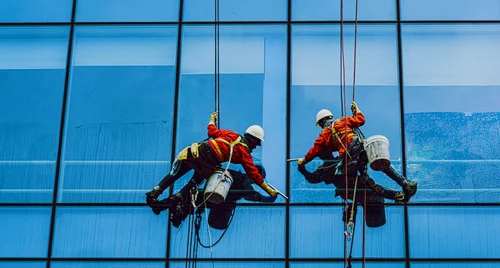
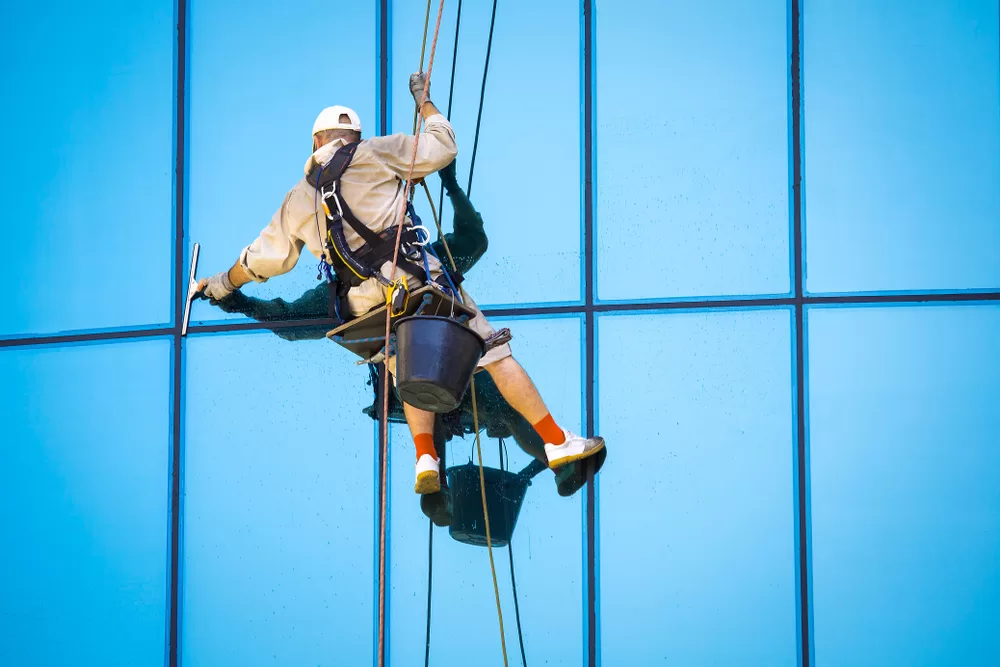
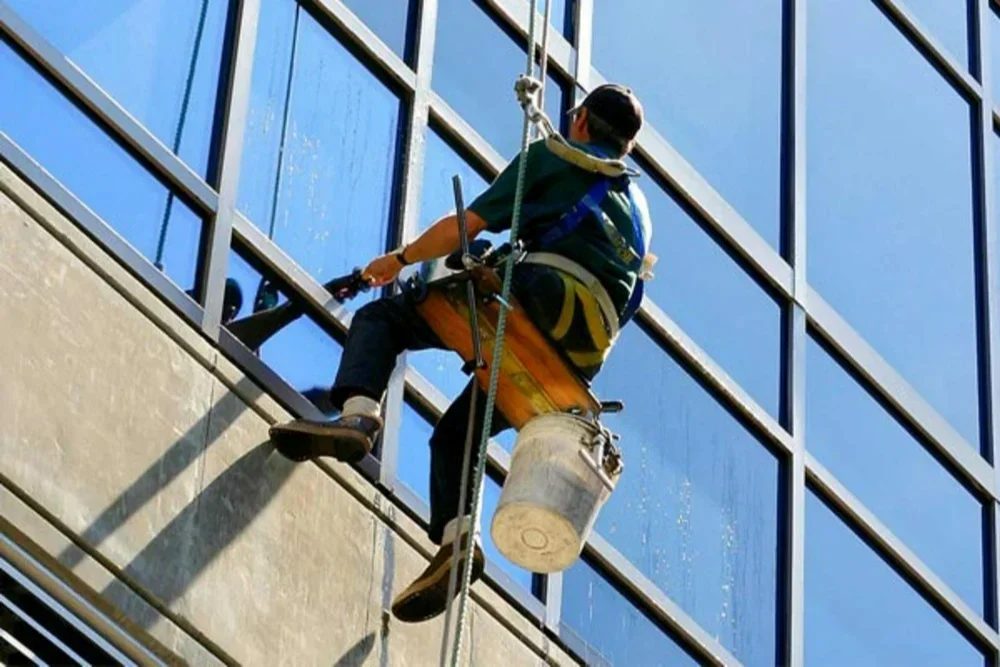
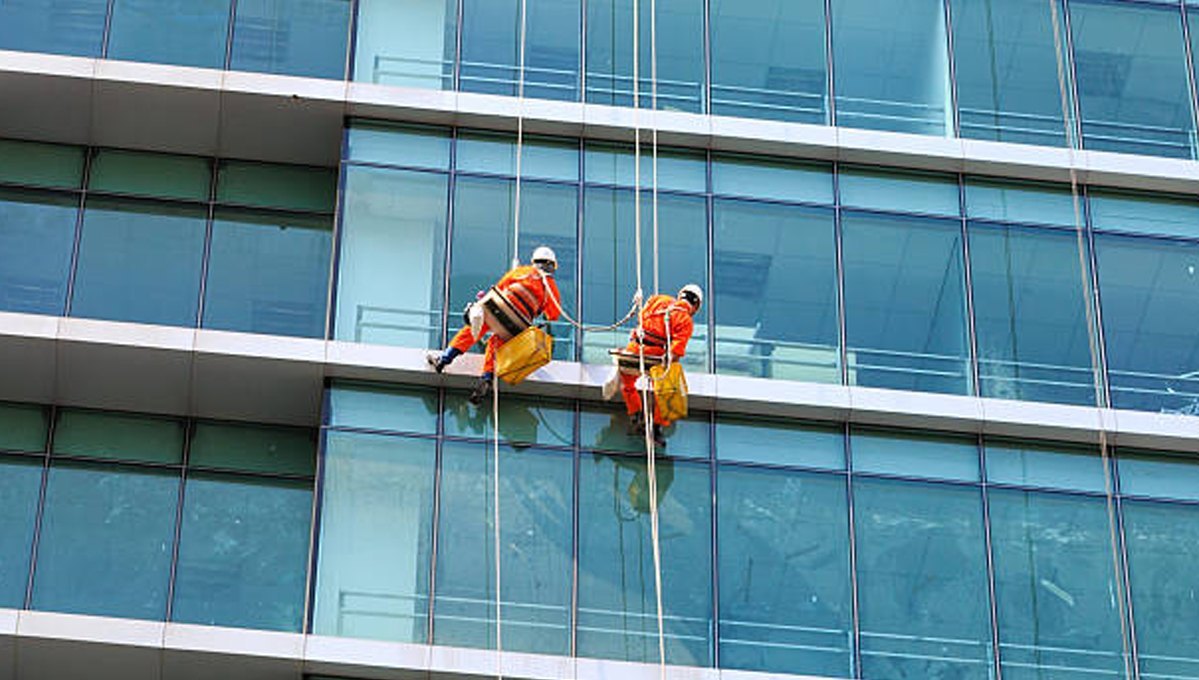
A Building Maintenance Unit, commonly called a BMU, is designed to provide controlled access to exterior building surfaces. BMUs can feature suspended platforms or other access arrangements that allow workers to reach facade areas from designated locations.
These systems are commonly considered for high-rise properties that require recurring exterior maintenance. A properly planned BMU can provide access for facade cleaning, glass maintenance, inspections, repairs, and related activities.
Suspended access equipment can also provide controlled positioning while workers perform specific tasks. The system must match the building’s physical structure and intended maintenance requirements.
Fall Protection Systems
Fall protection is another major part of high-rise maintenance. Workers operating at elevated locations may face fall hazards, particularly when moving around roofs, access areas, platforms, ladders, and other elevated work zones.
GROXX Gears provides fall protection solutions such as horizontal and vertical lifelines designed for different access requirements.
Horizontal lifelines can support worker movement across roof areas and other horizontal work zones. Vertical lifelines can support controlled movement along ladders and vertical access routes.
Anchorage systems also play an important role. The correct anchorage arrangement depends on the building structure, work activity, equipment, and applicable safety requirements.
High-Rise Access Solutions
High-rise buildings often contain areas that are difficult to reach through standard access methods. Building maintenance systems can provide a more controlled approach for recurring exterior work.
Applications may include facade cleaning, glass replacement, structural inspection, repair, painting, and other maintenance activities.
For complex structures, building maintenance system contractors Singapore can assess the building layout and determine which access arrangement is appropriate for the required work.
Technical Equipment and Safety Hardware
Building maintenance work may also require supporting equipment such as rigging gears, fasteners, anchorage components, lifeline equipment, and other industrial hardware.
GROXX Gears focuses on heavy-duty industrial solutions designed for demanding applications. Its wider range of products supports construction, maintenance, access, and safety requirements.
Why High-Rise Buildings Need Proper Maintenance Access Systems
Exterior building maintenance cannot always depend on temporary access arrangements. High-rise structures require carefully planned methods that allow maintenance personnel to reach designated areas safely and efficiently.
Without a suitable access system, routine facade work can become difficult to organize. Workers may have limited access to certain areas, equipment movement can become more complicated, and maintenance schedules may become harder to manage.
A dedicated building maintenance system provides a structured approach to recurring exterior work. The equipment can be planned around the building’s design and the tasks that maintenance teams need to perform.
For property owners, this can support more organized maintenance planning. For facility managers, a suitable system can make recurring facade work easier to coordinate.
Professional building maintenance system contractors Singapore can assess these requirements and help identify access solutions suitable for the property’s design and maintenance program.
Key Features to Look for When Choosing Building Maintenance System Contractors Singapore
Choosing a contractor should involve more than reviewing equipment availability. Building owners and facility managers should also consider engineering capability, system design, equipment quality, safety provisions, maintenance support, and project experience.
Engineering Capability
A building maintenance system must work with the physical characteristics of the property. Contractors should understand roof layouts, facade configurations, access requirements, equipment loads, and system positioning.
GROXX Gears emphasizes engineering and precision manufacturing across its industrial solutions. High-strength alloys and advanced heat-treatment processes can support equipment intended for demanding applications.
Quality Manufacturing and Components
Quality components are important for systems that operate under demanding conditions. Equipment must be selected according to its intended application, specifications, loading requirements, and operating environment.
GROXX Gears focuses on precision manufacturing and tight tolerances for its engineered products. Its approach includes CNC grinding and hobbing processes designed to support consistent product performance.
For building maintenance systems, component selection should always reflect the technical requirements of the actual project.
Fall Protection Integration
Access equipment should work alongside suitable fall protection measures. A maintenance system may provide access to the facade, while lifelines and anchorage systems provide protection for workers operating at elevated locations.
When evaluating building maintenance system contractors Singapore, ask how the proposed access solution coordinates with fall protection requirements.
Customized System Design
Every high-rise property has different architectural and operational requirements. A system suitable for one building may not be suitable for another.
Contractors should review facade geometry, roof configuration, maintenance areas, access routes, equipment positioning, and expected work activities before recommending a system.
Testing, Inspection, and Maintenance Support
Safety-related equipment requires proper inspection and maintenance. Building owners should establish an inspection schedule based on equipment requirements, manufacturer guidance, applicable regulations, and the property’s maintenance program.
Contractors that provide technical support after installation can help facility teams understand equipment operation, inspection requirements, and maintenance procedures.
Building Maintenance Systems vs. Traditional Scaffolding
Scaffolding remains useful for many construction and maintenance projects, but it may not be the most practical option for every high-rise facade application.
Building maintenance systems can provide dedicated access for recurring exterior maintenance. BMUs and suspended platforms can move along designated areas of a building, allowing maintenance personnel to reach different facade sections.
Traditional scaffolding may require extensive assembly, dismantling, relocation, and site preparation depending on the project.
The appropriate solution depends on the building, work scope, access requirements, project duration, and engineering assessment.
| Factor | Building Maintenance Systems | Traditional Scaffolding |
|---|---|---|
| High-rise facade access | Designed for dedicated building access | Can require extensive setup |
| Mobility | Controlled movement along designated areas | Movement may require repositioning |
| Long-term maintenance | Suitable for recurring building maintenance | Often suited to specific projects |
| Facade cleaning | Supports recurring access | Requires appropriate scaffold arrangement |
| Installation | Designed around building requirements | Temporary structure |
| Application | High-rise maintenance and facade access | Construction and various maintenance tasks |
A qualified building maintenance system contractors Singapore team can assess whether a dedicated access system, scaffolding, or another method is appropriate for the project.
Common Applications of Building Maintenance Systems Singapore
Building maintenance systems can support a wide range of exterior tasks.
Facade Cleaning
High-rise facade cleaning requires reliable access to exterior surfaces. Suspended access equipment can help maintenance personnel reach glass, cladding, and other facade areas.
Regular cleaning can also support the appearance and general upkeep of a property.
Glass Replacement
Damaged or aging glass may require replacement at elevated locations. A suitable access system can provide workers with controlled access to the affected area.
Glass replacement projects require careful planning because equipment, materials, worker positioning, and building access must work together.
Building Inspections
Regular facade inspections can help identify visible defects, deterioration, damaged components, or areas that require repair.
Suspended access systems can provide inspectors with physical access to areas that may not be visible from ground level.
Repair and Restoration
Exterior repairs may include painting, sealant replacement, surface repair, facade restoration, and other maintenance activities.
A building maintenance system can provide access for these tasks while supporting planned maintenance operations.
How Fall Protection Works Alongside Building Maintenance Systems
Building access and fall protection address related but different requirements.
A suspended access platform may allow workers to reach an exterior facade, while fall protection equipment may provide additional protection against falls during elevated work. The two systems should be planned according to the specific work activity and building layout.
Horizontal lifelines can support movement across suitable roof areas. Vertical lifelines can provide protection along vertical routes such as ladders.
Anchorage points are also important. Their position, structural connection, loading capacity, and intended use should be evaluated by qualified professionals.
For this reason, building maintenance system contractors Singapore should consider access and worker protection as connected parts of the overall maintenance strategy.
Why GROXX Gears Is a Reliable Choice for High-Rise Safety Solutions
GROXX Gears provides heavy-duty industrial solutions for demanding construction and maintenance environments across Singapore.
Its capabilities cover several areas relevant to high-rise building operations, including fall protection systems, high-rise safety gears, building maintenance systems, suspended access solutions, rigging equipment, fasteners, and technical equipment.
The company’s engineering-focused approach places attention on durability, precision, and demanding industrial applications. High-strength materials and advanced manufacturing processes support equipment designed for challenging work environments.
GROXX Gears also provides horizontal and vertical lifeline solutions for different elevated access requirements.
For high-rise properties, suspended access solutions can support facade cleaning, glass replacement, structural inspections, and other exterior maintenance tasks.
The combination of access equipment and fall protection solutions gives property owners and facility teams a broader range of options when planning high-rise maintenance operations.
How to Select the Right Building Maintenance System Contractor
Selecting building maintenance system contractors Singapore should start with a clear understanding of the property’s maintenance requirements.
Consider the following factors:
- Review engineering capabilities.
Look for technical knowledge related to high-rise access, facade systems, structural requirements, and safety equipment. - Check high-rise project experience.
Experience with similar building types can help contractors understand common access and maintenance challenges. - Assess BMU and suspended access options.
Ask whether the contractor can provide access systems suitable for the building’s facade and roof configuration. - Review fall protection capabilities.
Confirm that lifelines, anchorage systems, and other relevant safety equipment can be incorporated where required. - Check equipment specifications.
Review product specifications, loading requirements, materials, and intended applications. - Ask about inspection and maintenance support.
A long-term maintenance plan can help keep safety-related systems properly managed. - Discuss customization.
Complex buildings may require solutions designed around specific architectural and operational conditions. - Review safety documentation.
Ask for appropriate technical documents, inspection information, system specifications, and operating guidance. - Consider long-term performance.
Building access equipment should support the property’s expected maintenance program. - Discuss the full project scope.
Clear communication about design, supply, installation, testing, training, inspection, and maintenance can help prevent gaps during project execution.
Questions to Ask Building Maintenance System Contractors Singapore
Property owners and facility managers can ask potential contractors several practical questions before selecting a service provider.
What type of building access system does the property require?
The answer should reflect the building height, facade design, roof configuration, and planned maintenance activities.
Can the system support the building’s facade configuration?
The contractor should assess the physical characteristics of the building before recommending equipment.
What fall protection measures are included?
Ask whether the proposed solution works with horizontal lifelines, vertical lifelines, anchorage points, or other appropriate protection systems.
What load requirements have been considered?
Equipment should match the required loads and intended operating conditions.
Can the system support recurring facade maintenance?
A system intended for regular cleaning and inspection should be practical for repeated use.
What inspection procedures are recommended?
Ask about inspection frequency, documentation, maintenance requirements, and equipment checks.
What technical support is available after installation?
Ongoing technical support can help facility teams understand system operation and maintenance.
Can the system be customized for complex structures?
Some buildings require special access arrangements because of facade geometry, roof layout, or architectural features.
Planning a Safer High-Rise Maintenance Strategy
A successful building maintenance program begins with proper planning. Before selecting equipment, building owners and facility teams should identify the areas that require regular access and the tasks that maintenance workers need to perform.
A building survey can help identify roof access points, facade zones, maintenance locations, worker routes, equipment positions, and potential hazards.
The maintenance strategy should also consider how often cleaning, inspection, repair, glass replacement, and other exterior work will take place.
Fall protection should be planned alongside access equipment. Horizontal and vertical lifelines, anchorage systems, and other safety equipment should match the work areas and expected worker movement.
Working with experienced building maintenance system contractors Singapore can help property teams develop an access strategy that reflects the building’s actual requirements.
GROXX Gears can support projects that require high-rise access equipment, fall protection systems, and heavy-duty industrial solutions.
Takeaway
High-rise buildings require dependable access systems for routine cleaning, inspections, repairs, glass replacement, and facade maintenance. A properly planned building maintenance system gives maintenance teams a structured way to reach exterior areas while supporting appropriate worker safety measures.
Choosing qualified building maintenance system contractors Singapore requires careful review of engineering capability, equipment quality, fall protection integration, system design, inspection procedures, and long-term technical support.
BMUs and suspended access systems can provide dedicated access for recurring high-rise maintenance. Horizontal and vertical lifelines can support elevated worker protection where required. Rigging equipment, fasteners, anchorage components, and other industrial hardware can also form part of a broader maintenance and safety strategy.
GROXX Gears brings together heavy-duty industrial equipment, fall protection systems, high-rise safety gears, and building maintenance solutions for demanding applications across Singapore.
For property owners, facility managers, developers, and maintenance teams seeking a reliable high-rise access strategy, choosing the right technical partner can make a meaningful difference to daily maintenance operations.
GROXX Gears — safe. secured.
Frequently Asked Questions
What is a building maintenance system?
A building maintenance system is a set of access equipment and related safety solutions designed to help workers reach exterior areas of a building. Systems may include BMUs, suspended platforms, access equipment, lifelines, anchorage systems, and other components.
What do building maintenance system contractors Singapore do?
Building maintenance system contractors Singapore may provide system assessment, engineering, equipment supply, installation, testing, inspection, maintenance, and technical support. The exact services depend on the project requirements and agreed scope.
What is a BMU system used for?
A Building Maintenance Unit is commonly used to provide controlled access to high-rise facades. Applications can include facade cleaning, glass replacement, inspection, repair, painting, and other exterior maintenance work.
Are fall protection systems important for building maintenance?
Yes. Elevated maintenance work can expose workers to fall hazards. Appropriate fall protection may include horizontal lifelines, vertical lifelines, anchorage systems, and other equipment selected according to the work environment and applicable safety requirements.
What is the difference between horizontal and vertical lifelines?
A horizontal lifeline generally supports movement along a horizontal work area, such as a suitable roof section. A vertical lifeline supports movement along a vertical route, such as a ladder or vertical access area.
Can building maintenance systems be customized?
Yes. System requirements can vary according to building height, facade design, roof configuration, access points, maintenance tasks, and other project factors. A technical assessment should be completed before selecting a system.
How often should building maintenance equipment be inspected?
Inspection requirements depend on the equipment, manufacturer guidance, applicable safety requirements, operating conditions, and the property’s maintenance program. Building owners should establish an appropriate inspection schedule and maintain relevant records.
Why should property owners work with experienced contractors?
Experienced building maintenance system contractors Singapore can assess building-specific access requirements, recommend suitable equipment, coordinate safety systems, and provide technical support for installation and ongoing maintenance.
What services can GROXX Gears support?
GROXX Gears provides heavy-duty industrial solutions covering fall protection systems, high-rise safety gears, building maintenance systems, suspended access solutions, rigging equipment, fasteners, and technical equipment.
How can GROXX Gears support high-rise building maintenance?
GROXX Gears can support high-rise maintenance requirements through building access solutions, fall protection systems, horizontal and vertical lifelines, suspended access equipment, and other industrial safety products designed for demanding applications.