Accessing elevated structures, steep terrain, remote areas, and complex industrial sites can require more than conventional ladders, platforms, or ground-based equipment. Ropeway access Philippines solutions offer a specialized approach for projects that require controlled movement across height, distance, or difficult terrain.
Ropeway systems rely on carefully engineered cables, ropes, support structures, mechanical components, and load considerations. Proper planning is essential because every project has different site conditions, operational requirements, structural characteristics, and loading demands.
828 Cable System Inc. is a specialized engineering and service company focused on rope, height, cable, and load engineering. The company provides wire-rope-related services across the Philippines and Asia, covering areas such as fall protection, height access solutions, ropeway engineering, zipline engineering, cable engineering, and load engineering.
Its broader service capabilities also include overhead cranes, gantry cranes, jib cranes, and automatic hooks. These capabilities give project owners access to a technical team familiar with cable systems and load-related applications.
What Is Ropeway Access?
Ropeway access refers to a cable-based system designed to support controlled movement across a defined route. Depending on the project, a ropeway may support personnel, equipment, materials, carriers, or other loads.
A properly designed ropeway access Philippines system can provide a practical option where conventional ground access may be difficult. Steep slopes, long spans, elevated structures, remote work areas, and challenging terrain can all create access requirements that call for specialized engineering.
A ropeway system may involve several major components, such as:
- Wire ropes or cables
- Support structures
- Anchors and terminations
- Carriers or movement equipment
- Mechanical components
- Braking or control systems
- Connection hardware
- Access and maintenance components
Each component must work as part of a coordinated system. Cable selection alone does not determine whether a ropeway is suitable. Route conditions, structural capacity, cable tension, load requirements, operating conditions, and maintenance needs also require careful consideration.
For this reason, ropeway access Philippines projects should start with a technical assessment rather than equipment selection alone.
Why Ropeway Access Matters for Philippine Projects
The Philippines presents a wide range of terrain and project environments. Construction sites, industrial facilities, tourism developments, infrastructure projects, and elevated structures can create access challenges that differ from one location to another.
A ropeway access Philippines solution may be considered when a project requires controlled movement across difficult terrain, elevated areas, or long cable spans.
Difficult Terrain
Mountainous areas, steep slopes, remote sites, and uneven ground can make conventional transportation or access methods complicated. A cable-based system may provide another option for moving people, materials, or equipment across selected routes.
Project teams must first evaluate terrain, elevation, distance, structural locations, weather exposure, and operational requirements. These factors help engineers determine whether a ropeway approach fits the project.
Height and Vertical Access
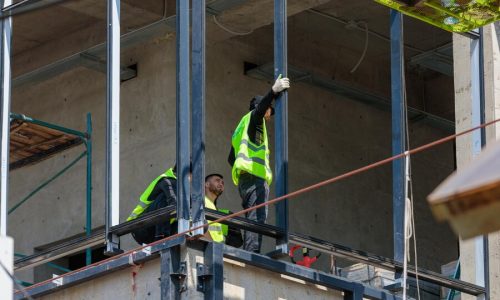
High-rise buildings and industrial structures can require specialized methods for maintenance, inspection, construction, and other elevated tasks.
A ropeway access Philippines system may form part of a wider height access strategy. Depending on the application, related solutions can include fall arrest systems, rope access equipment, building maintenance systems, and other engineered access arrangements.
The appropriate solution depends on the work being performed, the structure, worker requirements, and project conditions.
Controlled Movement Across Long Spans
Some projects require movement between separated points where direct ground access may not be practical. Cable systems can provide a defined route between selected locations.
Engineering teams must evaluate cable span, sag, tension, support locations, loads, clearance, and environmental conditions before final system selection.
Ropeway Engineering for Safe and Reliable Access
A successful ropeway access Philippines project requires more than installing a cable between two points. Engineering determines how the complete system will function under expected operating conditions.
Route and Site Assessment
Site assessment helps identify physical and operational requirements before system design begins.
Important considerations can include:
- Terrain profile
- Elevation differences
- Cable route
- Span length
- Support locations
- Clearance
- Existing structures
- Environmental exposure
- Access for installation
- Future maintenance requirements
A detailed assessment gives engineers a better basis for selecting suitable system components.
Cable and Rope Selection
Cable selection should reflect the actual requirements of the application. Factors may include expected loads, span, operating conditions, exposure, wear, corrosion, and service requirements.
Wire-rope expertise is especially important for specialized systems because cable behavior can affect system performance. Cable tension, sag, termination, and support conditions all form part of the engineering picture.
Structural and Support Requirements
Ropeway systems rely on suitable support structures and connection points.
Depending on the project, these may include:
- Towers
- Anchors
- Foundations
- Support points
- Terminations
- Brackets
- Connection hardware
- Structural interfaces
Existing structures should be assessed before attaching a cable system. A technically suitable cable cannot compensate for an unsuitable supporting structure.
Load Engineering
Load engineering plays a major role within ropeway access Philippines projects.
Engineers may need to consider:
- Static loads
- Dynamic loads
- Cable tension
- Equipment weight
- Carrier weight
- Personnel loads, where applicable
- Material loads
- Support reactions
- Operational forces
828 Cable System Inc. also identifies load engineering as one of its core service areas, alongside ropeway engineering, cable engineering, height access solutions, and zipline engineering.
Applications for Ropeway Access Philippines
Ropeway systems can support different types of projects when their design matches the site and application.
Industrial Facilities
Industrial sites may contain elevated work areas, remote equipment, complex structures, and locations that are difficult to reach through conventional means.
Potential applications can include:
- Specialized access
- Equipment movement
- Inspection
- Maintenance
- Access across difficult areas
- Selected material movement
A technical assessment should determine whether ropeway access is suitable for each application.
Construction Projects
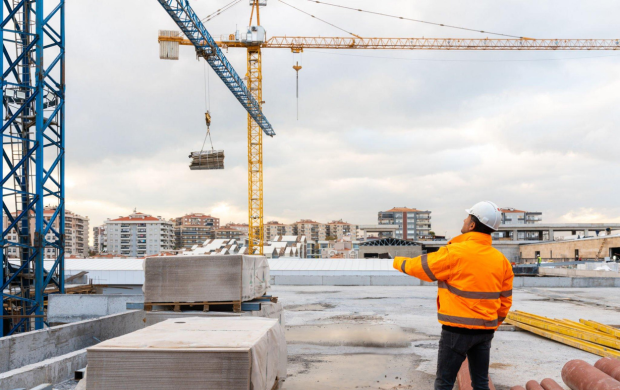
Construction sites can change rapidly as structures develop. Elevated work areas, steep terrain, and restricted ground routes may create specialized access requirements.
A ropeway access Philippines solution may be considered for selected construction applications where engineered cable movement offers a practical route.
Project planning should account for temporary or permanent use, installation requirements, loading, structural conditions, and eventual removal or modification.
Building and High-Rise Maintenance
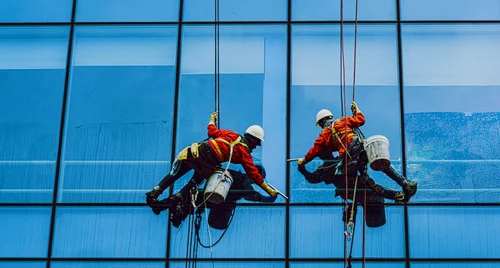
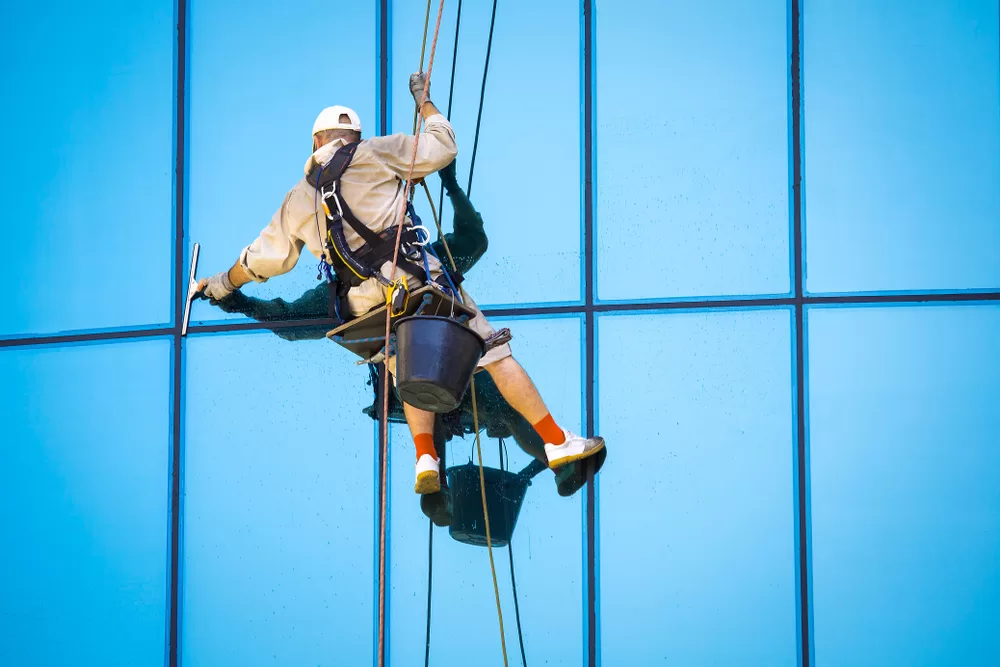
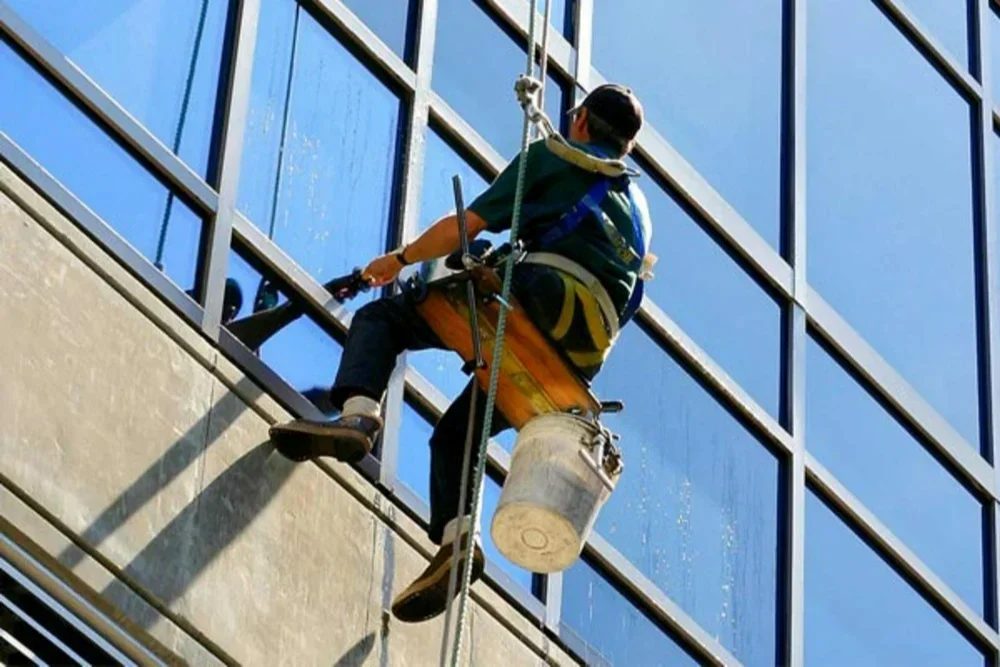
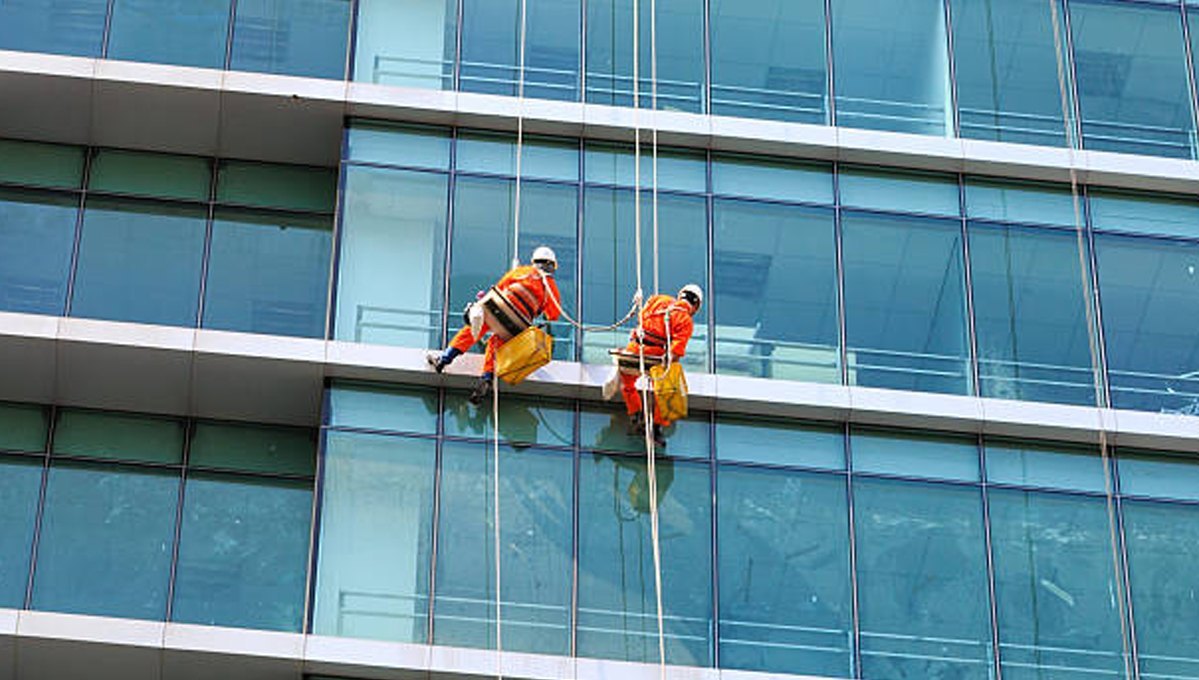
High-rise buildings require regular inspection, cleaning, repair, and maintenance. Suspended access systems can help personnel reach exterior areas that are difficult to access from ground level.
Related systems may include:
- Rope access
- Fall arrest systems
- Building maintenance systems
- Lifelines
- Anchors
- Height access equipment
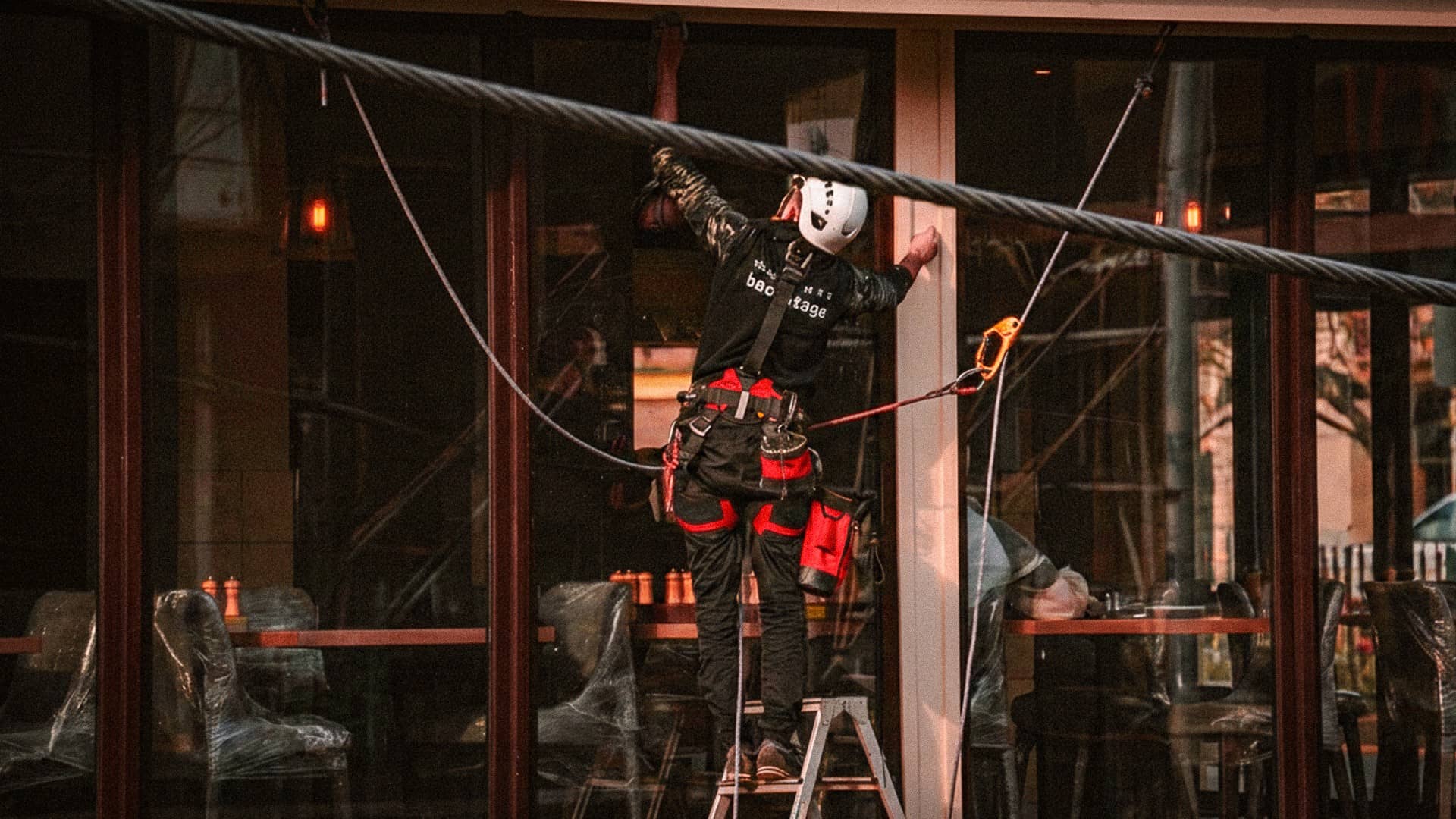
The supplied company materials also show building maintenance and rope-access applications featuring workers suspended on ropes while performing façade-related work.
Tourism and Recreation Projects
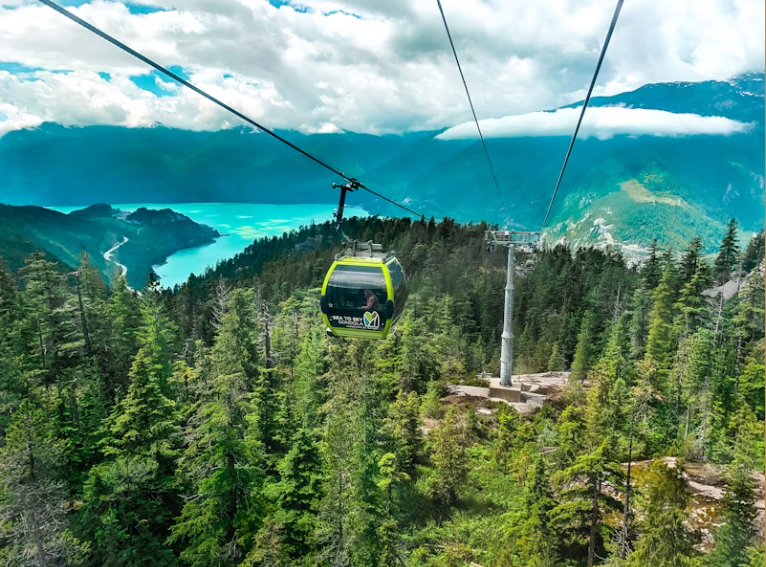
Ropeways and cable systems can also support tourism and recreational developments.
Potential applications include:
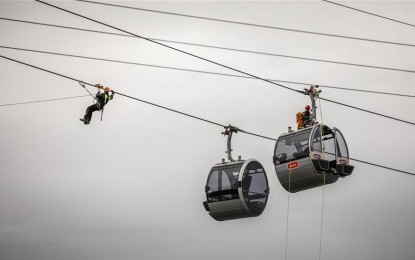
- Cable cars
- Scenic ropeways
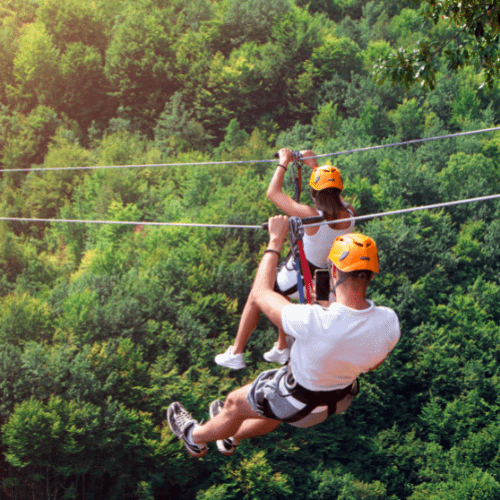
- Ziplines
- Adventure access systems
- Specialized cable attractions
Tourism projects require careful attention to passenger requirements, route design, structural support, operating conditions, braking, emergency planning, inspection, and maintenance.
Zipline engineering should not simply be treated as identical to industrial ropeway engineering. Each application has different design requirements.
Ropeway Systems vs. Other Height Access Solutions
Choosing the right system starts with understanding the task.
Ropeway Systems
Ropeway systems generally focus on controlled movement along a cable route. They may suit projects involving difficult terrain, long spans, specialized transportation, or access requirements.
Rope Access Systems
Rope access focuses primarily on personnel movement and positioning. It can support inspection, maintenance, repair, and other work at height.
Fall Protection Systems
Fall protection systems protect workers exposed to fall hazards. Examples may include anchors, lifelines, harnesses, lanyards, and related equipment.
The supplied safety-system materials show fall arrest systems as a dedicated service category alongside building maintenance systems and technical equipment.
Building Maintenance Units
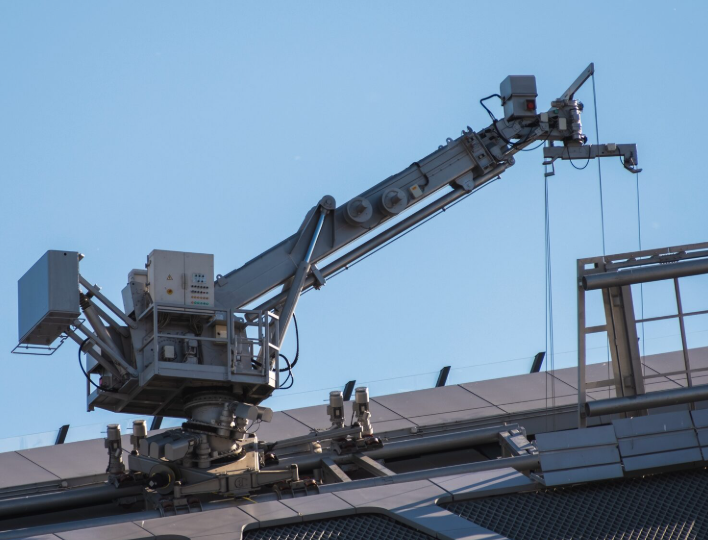
Building maintenance units can provide dedicated access for façade cleaning, inspection, and recurring maintenance work, particularly across high-rise structures.
Selecting among these solutions depends on the structure, task, personnel requirements, site conditions, and project objectives.
Ropeway Engineering and Zipline Engineering: What Is the Difference?
Ropeway engineering and zipline engineering both involve cable systems, but their applications can differ considerably.
Ropeway Engineering
Ropeway engineering may focus on:
- Cable-supported mobility
- Passenger or material movement
- Long-span systems
- Difficult terrain
- Route engineering
- Structural supports
- Load requirements
- Mechanical systems
Zipline Engineering
Zipline engineering commonly focuses on:
- Recreational cable systems
- Launch platforms
- Landing areas
- Cable geometry
- User loads
- Braking systems
- Anchoring
- Structural requirements
Both applications require careful engineering, but design parameters should reflect the intended use.
For Philippine tourism developers and adventure operators, professional ropeway access Philippines engineering can help determine which cable-based approach matches the intended project.
Why Cable Engineering Matters for Ropeway Access
Cable engineering sits at the core of many ropeway systems.
A cable must function according to its intended application while working with support structures, anchors, terminations, mechanical equipment, and expected loads.
Important areas may include:
- Cable selection
- Cable tension
- Sag
- Span
- Termination
- Support arrangements
- Connection hardware
- Inspection
- Maintenance
- Replacement planning
828 Cable System Inc. was established within the Benedicto Steel Group to serve the rigging industry and wire-rope-related requirements. Its stated service coverage includes fall protection, height access solutions, ropeway engineering, and related cable services across the Philippines and Asia.
This wire-rope focus is particularly relevant for projects where cable behavior and load performance form a major part of the system.
828 Cable System Inc.: Rope, Height, and Load Engineering Specialists
828 Cable System Inc. positions itself as a specialized engineering and service company for rope, height, cable, and load challenges.
Its service portfolio covers several connected technical areas:
- Fall Protection
- Height Access Solutions
- Ropeway Engineering
- Zipline Engineering
- Cable Engineering
- Load Engineering
- Overhead Crane
- Gantry Crane
- Jib Crane
- Automatic Hooks
This combination allows project teams to approach related rope, cable, access, and lifting requirements through one technical service provider.
The company’s stated scope extends across the Philippines and throughout Asia, supporting wire-rope-related projects and services.
For companies evaluating ropeway access Philippines solutions, this combination of ropeway, cable, height, and load engineering provides a relevant starting point for project discussions.
What to Consider Before Selecting a Ropeway Access System
A ropeway should match the actual project rather than being selected solely by price or equipment availability.
Project Objective
Start by identifying the primary purpose.
Ask:
- Is the system intended for personnel access?
- Will it transport materials?
- Is it intended for passenger movement?
- Will it support maintenance?
- Is the project industrial or recreational?
- Will the system be temporary or permanent?
Clear objectives help define the engineering requirements.
Site Conditions
Evaluate:
- Terrain
- Elevation
- Span
- Weather exposure
- Existing structures
- Installation access
- Maintenance access
Philippine projects may face varying weather and environmental conditions, making site-specific evaluation important.
Load Requirements
Load calculations should account for all relevant system components and expected operating conditions.
Potential load sources include personnel, equipment, carriers, materials, cable weight, and dynamic forces.
Maintenance Requirements
A ropeway system requires continued attention after installation.
Maintenance planning may cover:
- Cable inspection
- Hardware inspection
- Structural inspection
- Mechanical component checks
- Wear assessment
- Corrosion checks
- Scheduled servicing
- Component replacement
A maintenance plan should be established according to the system design and operating conditions.
Safety Considerations for Ropeway Access
Safety should remain a core consideration throughout planning, design, installation, operation, inspection, and maintenance.
For ropeway access Philippines projects, important considerations may include:
- Professional engineering assessment
- Correct cable selection
- Suitable structural supports
- Appropriate connection hardware
- Load verification
- Inspection procedures
- Operator training
- Maintenance schedules
- Emergency procedures
- Technical documentation
Safety claims should always reflect actual system specifications, project requirements, and applicable standards.
A system designed for one application should not automatically be assumed suitable for another. Engineering decisions should reflect the actual route, load, structure, environment, and intended use.
How 828 Cable System Inc. Supports Ropeway and Height Access Projects
A strong project starts with a clear understanding of the access challenge.
Project Assessment
The engineering team can review the project’s:
- Site conditions
- Application
- Access requirements
- Load requirements
- Cable route
- Operating environment
Engineering
The design stage can address:
- Cable system concepts
- Load requirements
- Structural interfaces
- Support requirements
- Access arrangements
- System components
Supply and Installation
A specialized service company can support the transition from engineering plans to actual system implementation.
This may include supply and installation of equipment and components relevant to the selected ropeway, cable, height access, or load engineering solution.
Inspection and Service Support
Ongoing inspection and maintenance help keep specialized systems ready for continued operation.
Service planning may include:
- Cable checks
- Hardware inspection
- Structural checks
- Mechanical inspection
- Maintenance
- Technical support
Choosing a Ropeway Engineering Partner in the Philippines
Selecting a ropeway engineering company requires more than checking whether a supplier carries cable equipment.
Project owners should look for experience across the technical areas connected to their application.
Important factors include:
- Ropeway engineering experience
- Wire-rope expertise
- Height access knowledge
- Cable engineering capability
- Load engineering capability
- Installation experience
- Site assessment capability
- Technical support
- Maintenance knowledge
- Experience with specialized cable systems
A provider with related capabilities across fall protection, height access, ropeway, zipline, cable, and load engineering may be better positioned to understand projects that involve several connected requirements.
For organizations searching for ropeway access Philippines, a technical consultation can help clarify whether a ropeway, rope access system, fall protection solution, building maintenance system, or another access method best matches the project.
Takeaway
Ropeway access Philippines solutions can offer a practical approach for projects that face challenging terrain, elevated work areas, long spans, remote locations, or specialized cable mobility requirements.
A successful ropeway system depends on more than the cable itself. Route conditions, structural supports, cable selection, load requirements, mechanical components, installation, inspection, and maintenance all deserve careful technical attention.
828 Cable System Inc. brings together ropeway engineering, height access solutions, cable engineering, zipline engineering, load engineering, and fall protection under its specialized service portfolio. Its wider capabilities also cover overhead cranes, gantry cranes, jib cranes, and automatic hooks.
For project owners, contractors, developers, facility managers, and engineering teams seeking ropeway access Philippines solutions, working with a company experienced with rope, cable, height, and load challenges can provide a stronger starting point for project planning.
Planning a ropeway access project? Contact 828 Cable System Inc. to discuss your rope, height, cable, and load engineering requirements.
Frequently Asked Questions About Ropeway Access Philippines
What is ropeway access in the Philippines?
Ropeway access Philippines refers to engineered cable-based systems designed to support controlled movement across a defined route. Depending on the application, such systems may support personnel, materials, equipment, passengers, or specialized access requirements.
What projects can use ropeway access?
Potential applications include industrial facilities, infrastructure projects, difficult terrain, construction sites, tourism developments, recreational facilities, and selected high-rise or elevated access projects.
Suitability depends on site conditions, system purpose, structural requirements, loading, and operating conditions.
What is the difference between ropeway access and rope access?
Ropeway access generally involves movement along a cable-supported route. Rope access generally focuses on personnel movement, positioning, inspection, maintenance, or repair using rope systems.
Both require suitable equipment and technical planning, but their applications and design requirements differ.
Does ropeway access require engineering?
Yes. Ropeway systems involve cable behavior, loads, support structures, route conditions, mechanical components, connections, and operating requirements. Professional engineering assessment helps determine suitable system characteristics.
What does ropeway engineering cover?
Ropeway engineering can cover route assessment, cable selection, structural supports, load requirements, cable tension, connection arrangements, mechanical systems, installation considerations, inspection, and maintenance planning.
Can ropeway engineering be used for tourism projects?
Yes. Ropeway engineering may support tourism and recreation projects such as cable cars, scenic ropeways, and other cable-based attractions. Zipline projects may also require specialized engineering based on their specific operating conditions.
Does 828 Cable System Inc. provide ropeway engineering services?
Yes. Ropeway engineering is listed among the core services of 828 Cable System Inc., alongside fall protection, height access solutions, zipline engineering, cable engineering, and load engineering.
Does 828 Cable System Inc. serve projects outside the Philippines?
Based on the supplied company profile, 828 Cable System Inc. caters to wire-rope-related projects and services across the Philippines and throughout Asia.