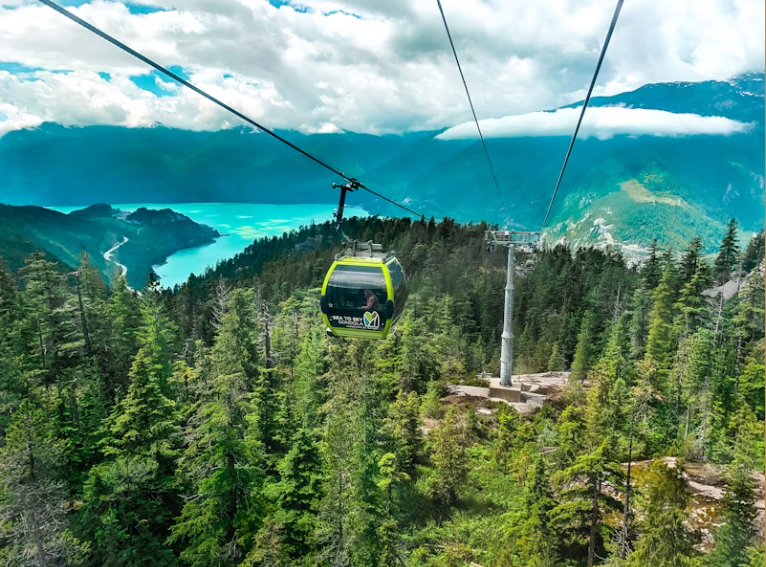
Safe and reliable cable transportation depends on sound engineering, regular inspection, skilled maintenance, and properly selected equipment. For operators, facility owners, tourism developers, and industrial organizations, cable car maintenance philippines services can help preserve system performance while supporting passenger and worker safety.
Cable cars and ropeway systems rely on multiple mechanical, structural, electrical, and cable components working together. A problem with one component may affect the performance of the wider system. Regular technical assessment helps identify wear, corrosion, alignment concerns, cable conditions, brake performance issues, and other conditions that may require corrective action.
828 Cable System Inc. provides specialized engineering services for rope, height, cable, and load applications. Established under the Benedicto Steel Group, the company serves the rigging industry through solutions covering fall protection, height access, ropeway engineering, zipline engineering, cable engineering, and load engineering.
For organizations searching for cable car maintenance philippines support, professional engineering capability is an important consideration. Proper maintenance requires more than replacing worn parts. It requires an understanding of the complete ropeway system, its operating conditions, loads, supporting structures, cables, mechanical assemblies, safety devices, and maintenance requirements.
Why Cable Car Maintenance Matters
Cable car systems operate through a combination of cables, drives, sheaves, brakes, towers, carriers, electrical controls, structural supports, and safety equipment. Each component has a specific role within the overall system.
Regular cable car maintenance philippines work can help detect developing problems before they become major operational concerns. Maintenance programs may include visual checks, mechanical inspections, cable assessments, lubrication, adjustment, testing, component replacement, and technical documentation.
Passenger ropeway standards commonly address inspection, testing, operation, and maintenance as connected aspects of system safety. CSA Z98, for example, specifies requirements covering design, manufacture, installation, operation, inspection, testing, and maintenance of passenger ropeways.
A structured maintenance program may help operators:
- Maintain equipment reliability
- Identify component wear
- Monitor wire rope condition
- Check mechanical assemblies
- Verify safety device operation
- Reduce unexpected downtime
- Support safe passenger operations
- Maintain useful service records
- Plan replacement of aging components
- Improve maintenance scheduling
The precise maintenance schedule should always reflect the equipment design, manufacturer’s requirements, operating environment, applicable regulations, and recommendations from qualified engineering professionals.
What Does Cable Car Maintenance Philippines Include?
A complete cable car maintenance philippines program can involve multiple areas of technical assessment. The actual scope depends on the ropeway design, operating conditions, equipment age, passenger capacity, environmental exposure, and manufacturer’s requirements.
Wire Rope Inspection
Wire ropes are among the most critical components of many ropeway systems. Their condition can change through repeated loading, bending, corrosion, abrasion, environmental exposure, and normal service.
A qualified inspection program can assess visible wire damage, corrosion, broken wires, deformation, wear patterns, rope condition, and other signs that may require closer examination.
Wire rope records are also valuable because they allow operators and engineers to track changes over time.
Sheave and Pulley Inspection
Sheaves guide and support moving ropes throughout the system. Their condition can affect rope movement and equipment performance.
Maintenance checks may examine:
- Sheave surfaces
- Bearings
- Alignment
- Lubrication
- Wear
- Fasteners
- Supporting assemblies
- Rope positioning
Problems discovered during these checks should be assessed according to equipment specifications and applicable technical requirements.
Brake System Checks
Brake systems play a critical role within cable transportation equipment. Maintenance programs may include functional testing and inspection of service and emergency braking components.
Brake performance should be evaluated using procedures appropriate to the specific ropeway design. Testing may also form part of periodic engineering assessments.
Drive System Maintenance
The drive system provides the mechanical force required to move the ropeway. Depending on system design, maintenance may cover motors, gearboxes, drive sheaves, couplings, bearings, control systems, and related components.
A maintenance plan helps identify abnormal vibration, noise, temperature, lubrication concerns, mechanical wear, and other conditions that could affect performance.
Structural Inspection
Towers, platforms, support structures, station components, and related steelwork are exposed to environmental conditions and operational loads.
Structural inspection may focus on:
- Corrosion
- Cracks
- Deformation
- Loose connections
- Weld conditions
- Fasteners
- Structural alignment
- Foundation conditions
A detailed structural assessment should be performed by qualified professionals whenever a significant concern is identified.
Cable Car Maintenance Philippines and Wire Rope Safety
Wire rope requires particular attention because it carries or supports substantial loads while being subjected to repeated movement.
Professional cable car maintenance philippines programs should include suitable inspection procedures for the type of rope used. The inspection frequency should reflect manufacturer recommendations, operating hours, environmental exposure, rope construction, loading conditions, and applicable standards.
Special attention may be necessary for rope sections exposed to:
- Repeated bending
- High tension
- Corrosive environments
- Abrasion
- Weather exposure
- Improper lubrication
- Mechanical contact
- Excessive loading
Non-destructive testing may also be considered where appropriate. Industry inspection services can include techniques such as magnetic induction testing for wire ropes, along with non-destructive examination of selected mechanical components.
A documented rope inspection history gives operators useful information for maintenance planning and component replacement decisions.
Preventive Maintenance for Cable Car Systems
Preventive maintenance focuses on planned inspection and servicing rather than waiting for equipment failure.
For cable car maintenance philippines, preventive work may involve scheduled checks based on operating hours, calendar intervals, equipment condition, or manufacturer instructions.
Typical preventive maintenance activities can include:
- Cleaning mechanical components
- Lubricating moving parts
- Checking fasteners
- Examining cables
- Checking bearings
- Inspecting sheaves
- Testing brakes
- Reviewing electrical controls
- Checking safety devices
- Examining station equipment
- Inspecting structural components
- Reviewing maintenance records
A written maintenance plan is especially valuable for passenger ropeways. Published operational guidance recommends systematic routine maintenance and inspection schedules based on an appropriate maintenance and inspection plan.
Corrective Maintenance and Component Replacement
Preventive inspection may reveal components that require repair or replacement.
Corrective cable car maintenance philippines work should be based on the actual condition of the equipment and applicable engineering requirements. Components showing excessive wear, damage, corrosion, deformation, or other unacceptable conditions may require corrective action.
Replacement decisions should consider:
- Original equipment specifications
- Component compatibility
- Load requirements
- Operating environment
- Manufacturer recommendations
- Applicable standards
- Engineering calculations
- Expected service conditions
Using a component simply because it appears physically similar may not be appropriate. Cable car systems require components that match the technical requirements of the specific equipment.
Importance of Maintenance Documentation
Documentation is an essential part of a reliable cable car maintenance philippines program.
Maintenance records can provide a history of inspections, repairs, replacements, testing, lubrication, defects, and corrective actions. These records can help engineering teams understand how equipment has performed over time.
Useful documentation may include:
- Inspection reports
- Wire rope inspection records
- Maintenance schedules
- Repair reports
- Component replacement records
- Testing results
- Load testing documentation
- Safety inspection records
- Equipment manuals
- Engineering assessments
- Maintenance logs
Industry guidance also recognizes the value of operational and maintenance logs for passenger ropeways. Such records support traceability and help maintenance personnel monitor equipment condition.
Cable Car Maintenance Philippines for Tropical Conditions
The Philippine environment presents specific conditions that may affect cable car and ropeway equipment. High humidity, heavy rainfall, heat, salt exposure near coastal areas, dust, and seasonal weather changes can influence metal components, cables, electrical equipment, and structural assemblies.
A cable car maintenance philippines program should therefore consider the actual environment where the system operates.
Potential environmental concerns include:
Corrosion
Steel cables, fasteners, structures, and mechanical components may experience corrosion when exposed to moisture and salt-laden air.
Heavy Rainfall
Rainwater can affect exposed equipment, drainage areas, electrical enclosures, and structural components.
Heat and Humidity
High temperatures and humidity may affect lubrication, electrical systems, coatings, seals, and mechanical equipment.
Coastal Exposure
Cable cars operating near coastal areas may face greater exposure to salt and moisture. More frequent inspection may be appropriate where environmental exposure is severe.
These factors should be considered when developing a maintenance schedule for a specific project.
Ropeway Engineering for Cable Car Systems
Maintenance should form part of a broader ropeway engineering approach.
828 Cable System Inc. provides ropeway engineering services alongside cable engineering, zipline engineering, fall protection, height access, and load engineering. This broad technical capability can be valuable for projects where cable systems interact with structural supports, passenger movement, lifting equipment, or specialized access systems.
A ropeway engineering assessment may consider:
- Route configuration
- Cable selection
- Passenger capacity
- Structural supports
- Drive systems
- Braking systems
- Cable tension
- Loading conditions
- Emergency systems
- Access requirements
- Inspection requirements
- Maintenance requirements
EN 1709 addresses pre-commissioning inspection as well as maintenance and operational inspections for passenger cableway installations.
The specific standard or regulatory framework applicable to a Philippine project should be confirmed with the responsible authorities and qualified professionals.
Cable Car Safety Inspection
A professional cable car maintenance philippines program should include appropriate safety inspection procedures.
Safety inspections may examine mechanical, structural, electrical, and operational aspects of the system. The scope should be based on the ropeway design and applicable technical requirements.
Inspection areas may include:
- Main cable
- Haul rope
- Track rope
- Towers
- Sheaves
- Brakes
- Drives
- Carriers
- Clamps
- Stations
- Emergency systems
- Electrical controls
- Communication equipment
- Structural supports
International ropeway safety services commonly include testing and inspection after commissioning, following equipment repairs or replacements, and during regular operating cycles.
Emergency Preparedness and Cable Car Maintenance Philippines
Maintenance planning should also account for unusual events and emergency situations.
A cable car system may require procedures for equipment stoppage, power loss, mechanical faults, severe weather, communication failure, or other abnormal operating conditions.
Emergency planning may cover:
- Passenger communication
- Emergency stopping
- Evacuation procedures
- Rescue equipment
- Rescue access
- Emergency power
- Communication systems
- Trained personnel
- Rescue drills
- Documentation
A maintenance program should verify that emergency equipment remains available and functional.
A rescue procedure that exists only as paperwork may not provide sufficient preparedness. Practical training and periodic exercises can help personnel understand their responsibilities during an actual emergency. Current ropeway maintenance guidance also emphasizes rescue planning and evacuation procedures.
Why Choose 828 Cable System Inc.?
828 Cable System Inc. was established under the Benedicto Steel Group to serve the rigging industry. Its capabilities extend across wire rope-related projects, giving clients access to specialized solutions for rope, height, cable, and load applications.
For clients seeking cable car maintenance philippines support, the company’s wider technical service range can provide a useful foundation for projects involving cable systems and associated engineering requirements.
Its service capabilities include:
- Fall Protection
- Height Access Solutions
- Cable Engineering
- Ropeway Engineering
- Zipline Engineering
- Load Engineering
- Overhead Crane Solutions
- Gantry Crane Solutions
- Jib Crane Solutions
- Automatic Hooks
This range allows the company to support projects that require specialized cable and load engineering knowledge.
Cable Engineering for Different Applications
Cable engineering covers much more than passenger transportation.
Engineered cable systems may support applications involving:
- Ropeways
- Cable cars
- Ziplines
- Fall protection
- Height access
- Lifting equipment
- Industrial systems
- Specialized transportation
- Heavy-load handling
Each application has different requirements. Cable selection should consider load, span, movement, environment, fatigue, connection method, safety factors, and expected operating conditions.
This is why professional engineering assessment matters when developing or maintaining a specialized cable system.
Height Access and Ropeway Maintenance
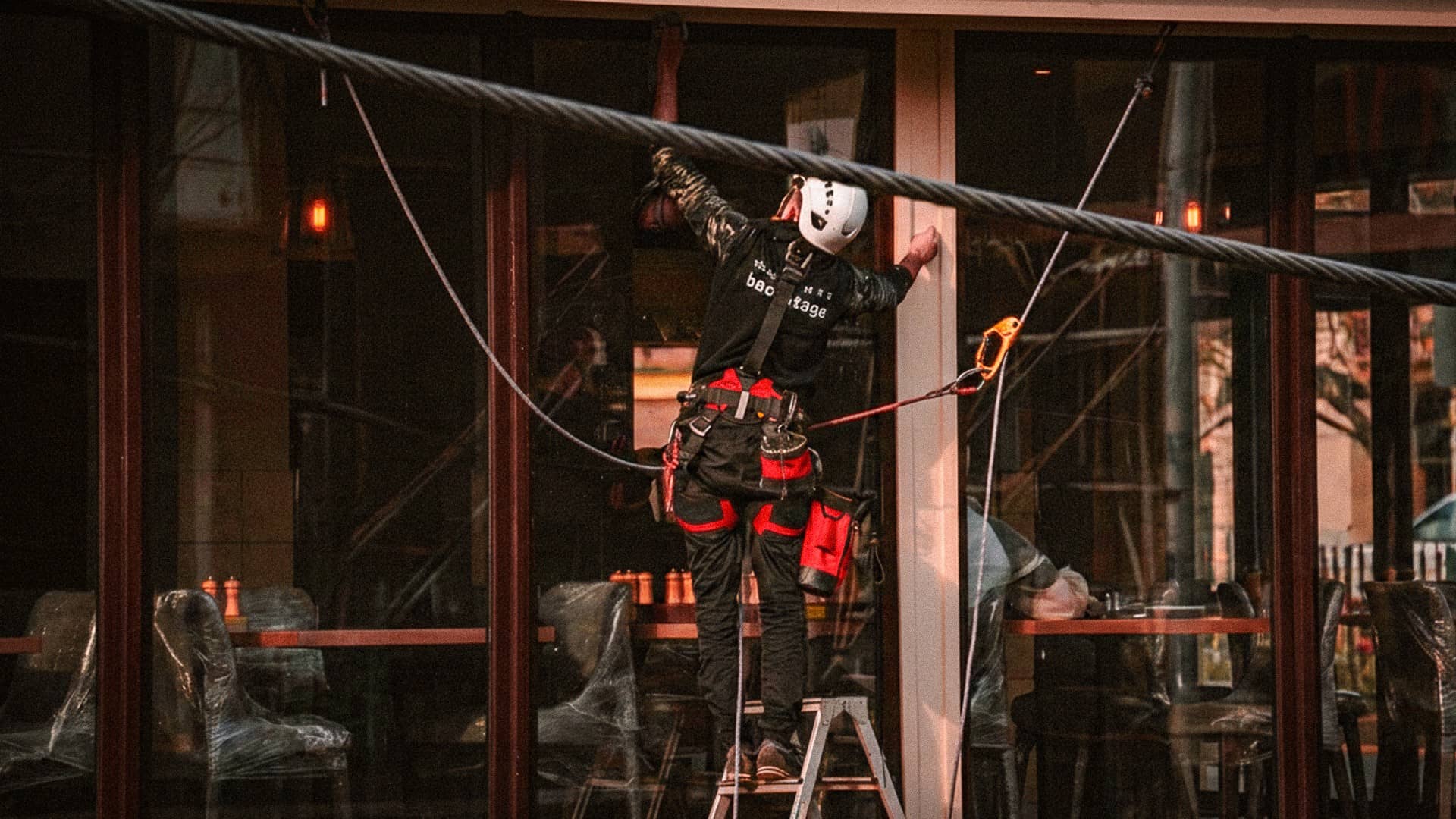
Some ropeway maintenance activities require technicians to work at significant elevation.
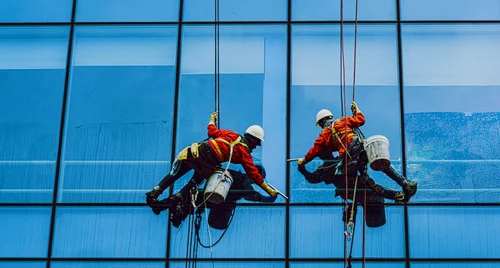
Height access systems can help provide appropriate access for inspection, maintenance, repair, and service activities. Depending on the project, solutions may involve fall arrest systems, access equipment, walkways, guardrails, or specialized systems designed around the structure.
For facilities where cable car equipment is installed at elevated locations, safe access should be considered alongside maintenance planning.
A technically sound cable car maintenance philippines program should account not only for equipment condition but also for how technicians can safely reach the equipment requiring inspection or repair.
Load Engineering and Cable Car Systems
Load engineering is another important consideration for ropeway projects.
Cable systems, support structures, carriers, hooks, lifting equipment, and related assemblies must be suitable for their intended loads.
828 Cable System Inc. also provides load engineering services involving:
- Overhead cranes
- Gantry cranes
- Jib cranes
- Automatic hooks
Knowledge of load behavior can be valuable for projects where cable systems and lifting equipment operate within the same facility or project environment.
Load calculations should be performed according to the specific equipment design, operating conditions, applicable engineering requirements, and project specifications.
Planning a Cable Car Maintenance Program
A practical cable car maintenance philippines plan should start with an understanding of the equipment.
Key information may include:
- Cable car system type
- Manufacturer and equipment model
- Installation date
- Operating hours
- Passenger capacity
- Cable specifications
- Structural configuration
- Drive system
- Brake system
- Environmental conditions
- Existing inspection records
- Previous repairs
- Component replacement history
- Applicable standards
- Emergency procedures
Once these details are established, engineers and maintenance personnel can develop a schedule suitable for the actual system.
Choosing a Cable Car Maintenance Philippines Service Provider
Choosing a qualified service provider requires more than comparing service prices.
Clients should consider the provider’s technical experience, engineering capabilities, equipment knowledge, inspection methods, documentation practices, safety procedures, and ability to work with specialized cable systems.
Questions worth asking include:
- Does the provider have ropeway engineering experience?
- Can the team inspect wire rope and mechanical components?
- Can the provider assess structural and cable-related concerns?
- Are inspection findings documented?
- Can corrective maintenance be supported?
- Can the team work with specialized access requirements?
- Does the provider understand load engineering?
- Can maintenance recommendations be matched to the actual equipment?
A capable cable car maintenance philippines provider should be able to assess the system based on its actual design and operating conditions rather than relying on a generic checklist.
The Long-Term Value of Professional Maintenance
A well-planned maintenance program can support safer operations, better equipment reliability, improved maintenance scheduling, and more informed replacement decisions.
Regular inspection may also help organizations identify small concerns before they develop into larger equipment problems.
Professional cable car maintenance philippines services can support the complete equipment lifecycle, from inspection and preventive maintenance through corrective work and technical assessment.
For cable car operators, tourism projects, industrial facilities, and specialized transportation systems, maintenance should be treated as an ongoing technical responsibility rather than a one-time activity.
Takeaway
Reliable cable transportation depends on proper engineering, quality equipment, regular inspection, skilled maintenance, and effective documentation. Cable car maintenance philippines programs can help operators monitor critical components, identify wear, maintain equipment condition, and support safe operations.
828 Cable System Inc. brings specialized experience across ropeway engineering, cable engineering, height access, fall protection, zipline engineering, and load engineering. Its capabilities make it a suitable technical partner for organizations requiring professional solutions for rope, height, cable, and load applications.
For any cable car or ropeway project, maintenance requirements should be developed around the actual equipment, operating environment, manufacturer’s instructions, applicable standards, and qualified engineering assessment.
Frequently Asked Questions About Cable Car Maintenance Philippines
What is cable car maintenance Philippines?
Cable car maintenance philippines refers to the inspection, servicing, testing, repair, and monitoring of cable car and ropeway equipment operating within the Philippines. Depending on the system, maintenance may cover cables, sheaves, brakes, drives, carriers, towers, electrical controls, safety devices, and structural components.
How often should cable car maintenance be performed?
The appropriate frequency depends on the ropeway design, manufacturer’s recommendations, operating hours, environmental conditions, equipment age, applicable standards, and operating requirements. A qualified engineering team should establish a maintenance schedule suitable for the specific system.
Why is wire rope inspection important?
Wire ropes experience repeated loading, bending, movement, and environmental exposure. Inspection can identify broken wires, corrosion, deformation, wear, and other conditions that may require corrective action.
Does cable car maintenance include structural inspection?
Yes. Depending on project requirements, inspection may cover towers, platforms, station structures, support assemblies, fasteners, foundations, and other structural elements associated with the ropeway.
Can tropical weather affect cable car equipment?
Yes. Heat, humidity, rainfall, corrosion, salt exposure, and other environmental conditions may affect cable car equipment. A cable car maintenance philippines program should account for the environment where the system operates.
Does 828 Cable System Inc. provide ropeway engineering?
Yes. 828 Cable System Inc. provides ropeway engineering as part of its specialized services for rope, cable, height, and load applications.
What other services does 828 Cable System Inc. provide?
Its service capabilities include fall protection, height access solutions, cable engineering, ropeway engineering, zipline engineering, load engineering, overhead cranes, gantry cranes, jib cranes, and automatic hooks.
Why should maintenance records be maintained?
Maintenance records provide a history of inspections, repairs, testing, component replacements, and identified defects. These records can help technical teams monitor equipment condition and plan future maintenance.
Can cable car maintenance include emergency system checks?
Yes. Depending on the system and maintenance scope, emergency systems, communication equipment, evacuation equipment, emergency drives, brakes, and related safety functions may be inspected or tested.
What should a cable car operator consider when selecting a maintenance provider?
Consider technical experience, ropeway engineering capability, wire rope knowledge, inspection procedures, safety practices, documentation, equipment familiarity, and the provider’s ability to support the specific requirements of the cable car system.
Why choose professional cable car maintenance Philippines services?
Professional maintenance can provide structured inspection, technical assessment, preventive servicing, corrective recommendations, and documentation. These activities can help operators maintain equipment condition and support reliable ropeway operation.